Personal Injury Law Firm in Seattle Washington. Free case evaluation (206) 206-6000

June 28, 2020
Updated November 2026
Wrongful Death Guide
When someone's carelessness takes the life of a person you love, the law gives the family a way to hold them accountable. The rules on who can bring the claim, what the family can recover and how long you have are very different in Washington and New York. Here is how each works.
Offices in Seattle and New York · Free, confidential consultation · No attorney fee unless we recover
3 years
generally, to file in Washington
2 years
to file in New York
90 days
for a notice of claim against a New York city
1 filer
the personal representative brings the case in both states
Sources: RCW 4.20.010, RCW 4.16.080, EPTL 5-4.1, GML § 50-e.
The Basics
1
In both states the case is brought by the personal representative of the estate, under RCW 4.20.010 and EPTL 5-4.1, for the benefit of the family.
2
The family must show the death was caused by someone's wrongful act, neglect or default, the same kind of claim the person could have brought had they lived.
3
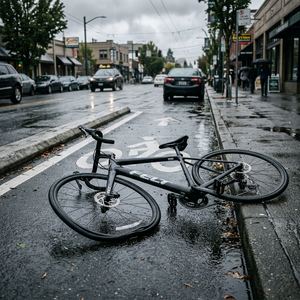
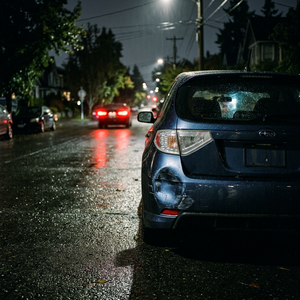
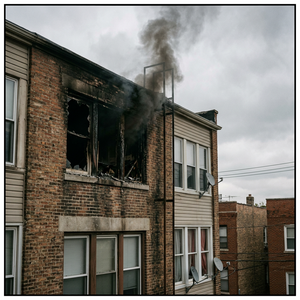
Car and truck crashes, workplace and construction accidents, medical mistakes, unsafe property, defective products, and police misconduct.
To win, the family generally has to show that the other party owed a duty of care, broke it, and that the breach caused the death and the family's losses.
Washington Law
Washington sets the order of the people the claim is for.
Under RCW 4.20.020, the claim is for the spouse, state registered domestic partner and children, including stepchildren. If none of them survive, it can be brought for the parents or siblings.
The personal representative can recover the economic and noneconomic damages those family members suffered because of the death, in amounts the jury finds just, under RCW 4.20.010.
Separately, the person's own claims survive their death under RCW 4.20.046. That lets the estate recover its economic losses, and lets the family recover for the pain, suffering and emotional distress the person went through before they died.
New York Law
In New York the personal representative brings the case for the person's distributees, generally close family who would inherit, under EPTL 5-4.1. The claim can be brought against anyone who would have been liable to the person had they survived.
New York limits damages to fair and just compensation for the pecuniary injuries the family suffered, meaning financial losses, under EPTL 5-4.3. Reasonable medical and funeral expenses are also recoverable, and interest is added from the date of death.
Punitive damages may also be awarded if they could have been recovered had the person survived. Lawmakers have repeatedly tried to expand New York's law to cover the family's grief, but as of November 2026 the statute still limits recovery to financial losses.
Side by Side
Do Not Wait
New York's deadline is a full year shorter than Washington's.
Washington: wrongful death claims generally must be filed within three years under RCW 4.16.080. A claim against a city, county or the state requires a claim form first, under RCW 4.96.020.
New York: two years from the death, under EPTL 5-4.1.
New York claims against a city: a notice of claim within 90 days, counted from the appointment of the estate's representative, under General Municipal Law § 50-e, and a lawsuit within two years of the death, under § 50-i.
For Families
Tap each box as you go. You do not have to do this alone.
Questions
The personal representative of the estate files the case under RCW 4.20.010. It is brought for the spouse, state registered domestic partner and children, including stepchildren, or if none survive, for the parents or siblings, under RCW 4.20.020.
Two years from the date of death under EPTL 5-4.1. If a city or other public body is involved, a notice of claim is due within 90 days of the appointment of the estate's representative.
Not under the current statute. EPTL 5-4.3 limits damages to the family's pecuniary, or financial, injuries, plus medical and funeral expenses, interest, and punitive damages in some cases.
Yes, if they could have been recovered had the person survived, under EPTL 5-4.3(b).
The consultation is free and confidential, and you pay no attorney fee unless we recover compensation for you.
Oshan & Associates, P.C. represents injured people and families in Washington and New York. The consultation is free and confidential, and you pay no attorney fee unless we recover compensation for you.
Call (206) 206-6000Learn More
Claims for families who lost a loved one.
Losses suffered by spouses and family members.
Injuries with lifelong medical and care costs.
Injury claims across Washington.
This guide gives general information about Washington and New York law and is not legal advice for your situation. Statutes cited were checked on the official Washington and New York legislature websites in November 2026.
Comments will be approved before showing up.
November 23, 2026
When concussion symptoms last for months, timing and proof matter. What post-concussive syndrome means for an injury claim in Washington, and why you should not settle too soon.
November 19, 2026
The same snapping motion behind whiplash can injure the brain. The overlapping symptoms, what to tell your doctor and why it matters for an injury claim.
November 15, 2026
A normal CT scan does not rule out a concussion. What a CT checks for, how concussions are actually diagnosed and what to do if your symptoms continue.

Seattle Practice Areas
Personal Injury
Car Accident
Semi Truck Accident
Bus Accident
Motorcycle Accident
Pedestrian Accident
Brain Injury
Spinal Cord Injury
Catastrophic Injury
Wrongful Death
Loss of Consortium
Childhood Sexual Abuse
Bicycle Accident
Police Excessive Force
911 Response Failure
Uber & Lyft Accident
Uninsured Motorist
Dog Bite
Drunk Driver Crash
Delivery Truck
Premises Liability
Burn Injury
Scooter & E-Bike
Light Rail & Train
Kent Practice Areas
Auburn Practice Areas
Bellevue Practice Areas
Renton Practice Areas
Federal Way Practice Areas
Kirkland Practice Areas
Redmond Practice Areas
Burien Practice Areas
SeaTac & Tukwila Practice Areas
Shoreline Practice Areas
Tacoma Practice Areas
The information provided on this website, including all blog posts, articles, and other content, is for informational purposes only and should not be construed as legal advice. No attorney-client relationship is formed by accessing or using this site or its contents.