Hit While Walking in Bellevue? Drivers Must Stop for You.
Bellevue pedestrian accident lawyer Evan M. Oshan represents people struck in downtown crosswalks, near the new 2 Line stations, on neighborhood arterials and in parking garages across Bellevue. A person on foot has no protection, and Washington law puts the duty to look, slow down and stop on the driver.
Bellevue's own data shows that most serious crashes happen on a small set of busy streets and intersections. These are the places our pedestrian cases usually come from.
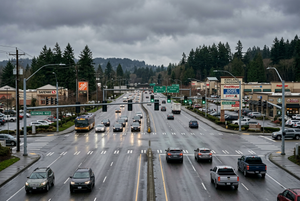
Downtown arterials
NE 8th Street, Bellevue Way and 108th Avenue NE carry heavy turning traffic past office towers, hotels and Bellevue Square. Drivers turning right on a green light or a red often watch for cars to their left and never look at the crosswalk to their right.
Light rail station areas
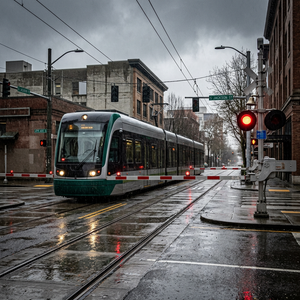
The 2 Line added stations in Downtown Bellevue, Wilburton, the Spring District and BelRed. The NE 8th Street bridge over a busy arterial opened in June 2024, according to the City of Bellevue. More people now walk across streets that were built to move cars.
Neighborhood arterials
In its 2025 Vision Zero Progress Report, the city lists safety work on 156th Avenue NE, 164th Avenue NE, BelRed Road at NE 20th Street, 156th Avenue SE at Lake Hills Boulevard and a sidewalk gap on 123rd Avenue SE. These are wide, fast streets running through residential areas.
Garages and retail lots
Parking garages and lots at Bellevue Square, Crossroads and Factoria mix drivers hunting for spaces with people carrying bags and children. A driver backing out or cutting across a lot still owes a duty of care, and the property owner may share responsibility for poor lighting or layout.
Neighborhood by Neighborhood
Bellevue Locations the City Has Flagged
In 2025, Bellevue ran road safety assessments, corridor studies and speed studies on specific streets, according to its 2025 Vision Zero Progress Report. If you were hurt near one of these places, the city's own review may help show that the danger was known.
Downtown and the South Downtown Loop
The city assessed the loop formed by Main Street, NE 1st and NE 2nd Streets and 108th Avenue NE, along with the NE 8th Street corridor and its crossing over I-405. These blocks mix office traffic, hotel drop-offs and people walking to Old Bellevue and the transit center.
Crossroads and Lake Hills
Assessments and corridor studies covered 156th Avenue NE, 164th Avenue NE and BelRed Road at NE 20th Street near Crossroads, and the intersection of 156th Avenue SE and Lake Hills Boulevard further south.
BelRed
At BelRed Road and NE 30th Street, the city tested Rest in Red, a signal setting that holds lights on red until a vehicle is detected. The city reported an average 10% reduction in speeding there.
South Bellevue
The city listed a sidewalk gap on 123rd Avenue SE, added speed cushions on 112th and 119th Avenues SE, and studied Lakemont Boulevard SE at SE 58th Street. Missing sidewalks push people into the street, which changes how fault is judged.
Why Speed Matters
What Bellevue Learned When It Lowered Speed Limits
After the city lowered speed limits on four corridors, its 2025 Vision Zero Progress Report reported a 19 to 42% reduction in high-end speeding, meaning drivers going 40 mph or faster. For a person on foot, the difference between a driver going 25 and a driver going 40 is often the difference between a broken leg and a fatal injury. In a pedestrian case, we look at the posted limit on the day of the crash, data from the car's event recorder when it is available, and the physical evidence at the scene to show how fast the driver was really going.
City Safety Work
What Bellevue Changed in 2025, and Why It Matters to Your Claim
Bellevue reports its safety work every year. Those reports can become evidence.
01
Speed limits came down
The city lowered limits on 124th Avenue SE and SE 38th Street and on Northup Way from 35 to 25 mph, on Village Park Drive SE from 30 to 25 mph, and on NE 40th Street from 35 to 30 mph, according to its 2025 Vision Zero Progress Report. The posted limit on the day of your crash matters when we measure how fast the driver was going.
02
Flashing beacons and pedestrian head starts
In 2025, Bellevue added 11 rectangular rapid flashing beacons and two leading pedestrian intervals, which give walkers a head start before cars get a green light. A beacon or head start does not reduce a driver's duty. Drivers must stop for a person in the crosswalk either way.
03
Curb extensions and speed cushions
The city built 12 curb extensions and added speed cushions on 112th and 119th Avenues SE. These changes shorten crossing distances and slow drivers. Where they do not yet exist, a long crossing is still the driver's responsibility to watch.
04
Speed cameras are coming
Bellevue approved 14 cameras at seven locations for 2026. As explained below, camera images usually cannot be used in an injury case, so other video becomes more important.
Washington Law
The Crosswalk Law, Applied to Bellevue Streets
The one-lane rule
Under RCW 46.61.235, a driver must stop and stay stopped when a person in a crosswalk is on the driver's half of the road or within one lane of it. On a multi-lane street like NE 8th Street, a driver cannot keep going just because you are still a lane away.
One-way streets
On a one-way street, the statute treats the whole width of the road as the driver's half. A driver turning onto a downtown one-way street must stop for you anywhere in the crosswalk.
No passing a car that stopped for you
When one driver stops for a pedestrian, RCW 46.61.235 bars any driver behind from passing. On Bellevue's four- and six-lane arterials, a second driver going around a stopped car is one of the most common ways people are badly hurt.
Higher penalties near schools and parks
Inside a school, playground or crosswalk speed zone, the fine for failing to stop is doubled and cannot be waived under RCW 46.61.235. Every driver must also use due care and take extra precautions around children under RCW 46.61.245.
Evidence
Why Traffic Camera Footage May Not Help Your Case
Many people assume a speed or red light camera will prove what happened. Washington law limits that. Under RCW 46.63.220, photos and images from automated traffic cameras are for enforcement only, are not open to the public and may not be used in a court case unless the case is about the camera violation itself. That makes private video more important: building security cameras downtown, cameras in parking garages and stores, transit station cameras, bus cameras, dash cameras and doorbell cameras. Much of that footage is recorded over within days, so the first week matters. We send preservation requests right away.
Who Pays
Insurance That Can Cover a Bellevue Pedestrian
You were not in a car, but car insurance is usually what pays.
01
The driver's PIP coverage
Under RCW 48.22.005, a pedestrian struck by an insured automobile counts as an insured for that car's personal injury protection, which can pay early medical bills and lost wages.
02
Your own household PIP
If you or a relative you live with has auto insurance with PIP, it may also apply even though you were walking.
03
Commercial and rideshare policies
Downtown Bellevue is full of delivery vans, rideshare drivers and company vehicles. When the driver was working, the employer's or platform's commercial policy may apply, often with much higher limits than a personal policy.
04
Your underinsured motorist coverage
If the driver had too little insurance or drove away, your UIM coverage under RCW 48.22.030 may step in.
Shared Fault
What If the Driver Says It Was Your Fault?
Insurers often argue that a pedestrian was not in a crosswalk, was wearing dark clothes during early winter darkness, or stepped out suddenly. Washington does have rules for people on foot. Under RCW 46.61.240, a person crossing outside a crosswalk must yield to vehicles, and between two signalized intersections must cross only in a marked crosswalk. Under RCW 46.61.235, a pedestrian may not suddenly step into the path of a car that is too close to stop. But these rules do not end a claim. Under RCW 4.22.005, your recovery is reduced by your share of fault, not barred. And under RCW 46.61.245, the driver still had to use due care to avoid hitting you. Video, the car's speed, headlight use and where you came to rest often tell a different story than the driver's first account.
Injuries
Injuries We See When a Car Hits a Person
A car usually strikes a person at bumper height, then the person hits the hood, windshield or pavement.
✓Leg, knee and pelvic fractures
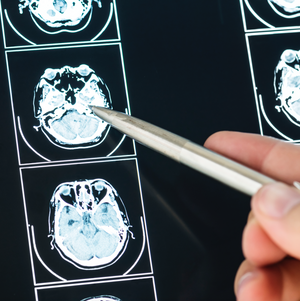
✓Brain injuries and concussions, even without a visible head wound
✓Spinal and neck injuries
✓Shoulder, wrist and arm fractures from the fall
✓Internal injuries
✓Scarring and road rash
After You Are Hit
First Steps After a Bellevue Pedestrian Crash
01
Get medical care the same day
Go to the emergency room or urgent care even if you can walk. Tell them you were hit by a car so the record reflects it.
02
Get the Bellevue police report number
Ask the officer for the case number. If police did not come, report the crash yourself and keep the confirmation.
03
Write down every camera you remember
Building entrances, garage gates, bus stops, station platforms and store windows. We use that list to send preservation requests quickly.
04
Open PIP claims
Notify the driver's insurer and your own so medical bills start getting paid.
05
Keep your shoes and clothing
They can show the point of impact and how visible you were. Do not wash or throw them away.
06
Do not give a recorded statement
Talk with a lawyer before speaking with the driver's adjuster, who works for the driver.
Questions
Frequently Asked Questions
I was hit in a Bellevue parking garage. Do I have a claim?
Often, yes. Drivers in garages and lots must still use reasonable care, and Washington's crosswalk rules are only part of the picture. If poor lighting, blind corners or missing signs played a role, the property owner may also be responsible.
Will the new speed cameras prove the driver was speeding?
Probably not in your injury case. Under RCW 46.63.220, automated traffic camera images may not be used in court except in a case about the camera violation itself. Other video and crash reconstruction usually carry that proof.
I was crossing to a light rail station, not at a crosswalk. Can I still recover?
Possibly. Under RCW 46.61.240, you had to yield outside a crosswalk, but the driver still owed due care under RCW 46.61.245, and any share of fault reduces your recovery under RCW 4.22.005 rather than barring it.
The driver was working for a delivery or rideshare company. Does that matter?
Yes. A commercial or rideshare policy may apply in addition to the driver's personal coverage, and the company may be responsible for its driver's conduct.
How do your fees work?
The first consultation is free and confidential. Most injury and wrongful death cases are handled on a contingency fee, which means the fee is a percentage of the recovery. If there is no recovery, there is no attorney fee.
Oshan & Associates, P.C. represents people hit while walking across Bellevue and the Eastside. The first conversation is free and confidential, and there is no attorney fee unless we recover compensation.