Personal Injury Law Firm in Seattle Washington. Free case evaluation (206) 206-6000

August 08, 2019 1 Comment
Updated November 2026
Washington Car Accident Guide
The first hour after a crash is confusing, and the choices you make then can shape your health and your claim for months. Here is what Washington law requires, what protects you, and what to avoid, step by step.
26+ years trying cases · Free, confidential consultation · Licensed in Washington and New York
659
people killed on Washington roads in 2025 (preliminary)
39,345
U.S. traffic deaths in 2024 (NHTSA estimate)
4 days
to file a written crash report when one is required
3 years
to file most Washington injury lawsuits
Sources: Washington Traffic Safety Commission, NHTSA, RCW 46.52.030, RCW 4.16.080.
Step 1
If no one is hurt, both drivers move off the travel lanes, turn on their hazards, and then trade information.
Stop. A driver involved in a crash that injures or kills someone must stop at the scene or as close to it as possible and stay there, under RCW 46.52.020. Leaving can turn a fender bender into a crime.
If anyone is hurt, call 911 first. Do not move a person who may have a neck or back injury unless they are in danger where they are. The same law requires reasonable help for anyone injured, including arranging a ride to a doctor or hospital when it is clearly needed.
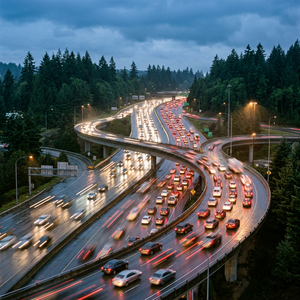
If the crash only damaged vehicles, Washington requires drivers to move off the freeway main lanes and shoulders as soon as possible to an exit ramp shoulder, frontage road, cross street or other safe spot. The statute says moving your car does not affect who is at fault. Turn on your hazard lights and stay at that safe spot until you have exchanged information.
Self-Help Tool
Tap each box as you go. Save this page on your phone so it is there when you need it. Under RCW 46.52.020, every driver in a crash with injury or damage to an occupied vehicle must give their name, address, insurance company, policy number and plate number, and show their driver's license.
Hit a parked car? Find the owner or leave a written note with your name and address in a place they will see it, as RCW 46.52.010 requires.
Step 2
Call 911 for any crash with injuries, a blocked road, a driver who seems impaired, or someone who will not share information. When an officer investigates, the officer files the report.
If no officer writes a report, Washington puts the job on you. Under RCW 46.52.030, a driver in a crash that injures or kills someone, or causes property damage at or above the State Patrol's threshold, must file a written report within four days. That threshold has been $1,000 since 2015 under WAC 446-85-010. The report goes to the city police department, the county sheriff or the State Patrol, depending on where the crash happened.
Need a copy of the report later? Our guides walk you through it: how to get a police report in Washington and how to read the codes on it.
Step 3
1
Adrenaline hides pain. Concussions, whiplash and internal injuries often show up hours or days later.
2
Mention every symptom, even small ones like headaches, dizziness or trouble sleeping, so it is in your record.
3
Keep visit summaries, bills and receipts. A short daily note about pain and missed activities helps later.
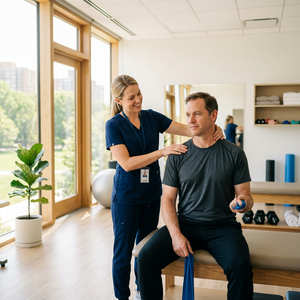
Ask your insurer whether your policy includes personal injury protection, or PIP. Washington insurers must offer PIP with every auto policy unless you turned it down in writing, under RCW 48.22.085. PIP can pay medical bills and some lost wages no matter who caused the crash. See our page on Washington insurance minimums for how PIP and underinsured motorist coverage fit together.
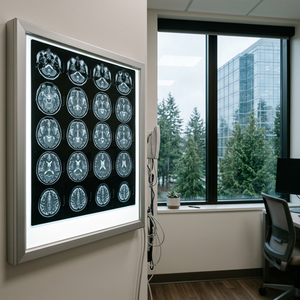
Hit your head, even lightly? Use our brain injury symptom checklist and bring it to your doctor.
At a Glance
The key steps after a Washington crash, from the scene to the filing deadline.
Most injury lawsuits in Washington must be filed within three years, under RCW 4.16.080. That sounds like plenty of time, but evidence fades fast. Surveillance video gets erased, cars get repaired, and witnesses move.
Claims against a city, county or state agency follow extra rules and steps before a lawsuit can be filed. If a government vehicle or a road defect was involved, talk with a lawyer early.
Report the crash to your own insurer promptly, as your policy requires, but you do not have to give a recorded statement to the other driver's insurer.
Shared Fault
Example only. A share of fault lowers the recovery; it does not wipe it out.
Under RCW 4.22.005, your own share of fault reduces what you can recover, but it does not bar your claim. If a jury finds your losses were $100,000 and you were 20 percent at fault, you would recover $80,000.
Insurers know this rule well, and they often try to push more of the blame onto you. That is one more reason to document the scene, keep quiet about fault, and let the evidence speak.
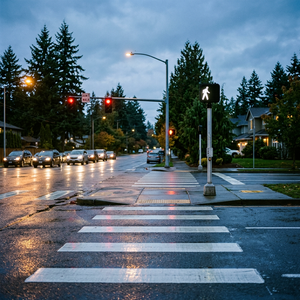
Not sure who had the right of way? Our animated guide to right-of-way laws in Washington covers intersections, left turns, crosswalks and more.
Protect Your Claim
!
A polite "I'm sorry" or "I didn't see you" can be quoted back to you later. Stick to facts.
!
A gap between the crash and your first visit is the first thing an insurer points to.
!
The other driver's insurer is not on your side. You can decline until you have advice.
!
Photos and posts get screenshotted and used to argue you were not really hurt.
!
Once you sign a release, the claim is usually over, even if you learn your injury is worse.
!
Keep damaged items, receipts and photos. Do not let the car be scrapped before it is photographed.
Questions
Call 911 if anyone is hurt or the road is blocked. If no officer writes a report and the crash injured someone or caused about $1,000 or more in damage, Washington requires you to file a written report within four days under RCW 46.52.030.
If no one is hurt and the car can be driven, Washington law requires you to move it off the freeway lanes and shoulders to a safe spot nearby. Moving it does not change who is at fault under RCW 46.52.020.
Most injury lawsuits must be filed within three years of the crash under RCW 4.16.080. Claims involving government agencies have extra steps, so talk with a lawyer early.
Yes. Washington uses pure comparative fault under RCW 4.22.005. Your share of fault reduces your recovery but does not bar it.
The consultation is free and confidential, and you pay no attorney fee unless we recover compensation for you.
Oshan & Associates, P.C. represents injured people and families in Washington and New York. The consultation is free and confidential, and you pay no attorney fee unless we recover compensation for you.
Call (206) 206-6000This guide gives general information about Washington law and is not legal advice for your situation. Statutes cited were checked on the Washington State Legislature website in November 2026.
Comments will be approved before showing up.
November 26, 2026
How long before you can work after a concussion, how to plan a gradual return, warning signs to watch for and what Washington workers should know about lost wages.
November 24, 2026
Hurt in a crane accident in Washington? Learn how load charts and rated capacity work, why rigging fails, crane operator certification rules, and how injured workers can recover beyond workers' compensation.
November 23, 2026
When concussion symptoms last for months, timing and proof matter. What post-concussive syndrome means for an injury claim in Washington, and why you should not settle too soon.
Seattle Practice Areas
Personal Injury
Car Accident
Semi Truck Accident
Bus Accident
Motorcycle Accident
Pedestrian Accident
Brain Injury
Spinal Cord Injury
Catastrophic Injury
Wrongful Death
Loss of Consortium
Childhood Sexual Abuse
Bicycle Accident
Police Excessive Force
911 Response Failure
Uber & Lyft Accident
Uninsured Motorist
Dog Bite
Drunk Driver Crash
Delivery Truck
Premises Liability
Burn Injury
Scooter & E-Bike
Light Rail & Train
Kent Practice Areas
Auburn Practice Areas
Bellevue Practice Areas
Renton Practice Areas
Federal Way Practice Areas
Kirkland Practice Areas
Redmond Practice Areas
Burien Practice Areas
SeaTac & Tukwila Practice Areas
Shoreline Practice Areas
Tacoma Practice Areas
The information provided on this website, including all blog posts, articles, and other content, is for informational purposes only and should not be construed as legal advice. No attorney-client relationship is formed by accessing or using this site or its contents.


Meddcoambulance
July 25, 2020
Good one. Loved it. To know different type of ambulance check https://www.meddcoambulance.com