Personal Injury Law Firm in Seattle Washington. Free case evaluation (206) 206-6000

February 03, 2025
Updated November 2026
Washington Winter Crash Guide
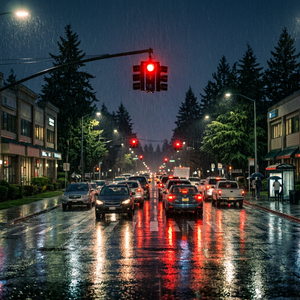
Snow and ice do not come often to Seattle and western Washington, and that is part of the danger. When they do, freeways jam with spinouts and pileups, and sidewalks turn slick. Bad weather is not a free pass. Drivers, property owners and sometimes government agencies can still be responsible when someone gets hurt. Here is how Washington law handles winter crashes and falls, and what to do if it happens to you.
Seattle office · Free, confidential consultation · No attorney fee unless we recover
12%
of U.S. crashes are weather-related
3,807
people killed each year in weather-related U.S. crashes
Nov 1 to Mar 31
when studded tires are legal in Washington
3 years
to file most injury lawsuits in Washington
Sources: Federal Highway Administration (2019 to 2023 average), WSDOT, RCW 4.16.080.
Why Ice Is Different
Slow down before you need to brake. On ice, there is far less room for error.
On snow and ice, tires have far less grip. A car that would stop easily on dry pavement can slide well past the point where its driver hit the brakes. Nationally, the Federal Highway Administration reports that about 12 percent of crashes are weather-related, killing about 3,807 people a year, based on 2019 to 2023 data. See the FHWA road weather data.
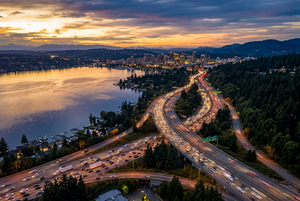
Western Washington adds its own problems: hills, bridges and overpasses that freeze first, black ice that looks like wet pavement, and many drivers with little winter experience.
That is why the law expects drivers to change how they drive when conditions change, not just to stay under the posted limit.
Washington Rules
Drive for the conditions. Washington law says no one may drive at a speed greater than is reasonable and prudent under the conditions, with regard to the actual and potential hazards, under RCW 46.61.400. On ice, driving the posted limit can still be too fast.
Studded tires. Studded tires are legal in Washington only from November 1 through March 31, with no individual exceptions, and drivers using them after the deadline can be fined, according to WSDOT.
Chains. Studded tires do not meet a posted chain requirement. Drivers still need to install chains over studded tires in areas posted for chains, according to WSDOT. Check pass conditions before you go.
Breaking these rules does not automatically decide who pays after a crash, but it is strong evidence that a driver was careless. See our guide to what to do after a car accident in Washington.
Who Is at Fault
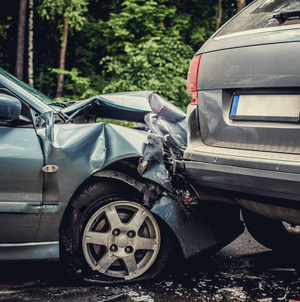
The weather itself cannot be sued, but drivers can. After snow and ice crashes, troopers often point to the same cause: drivers going too fast for the conditions. A driver who slides into another car, follows too closely, or drives on bald tires may be responsible even if the road was slick.
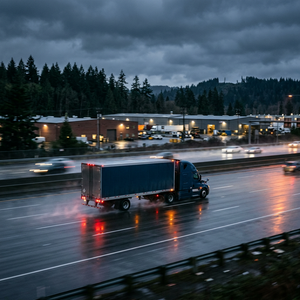
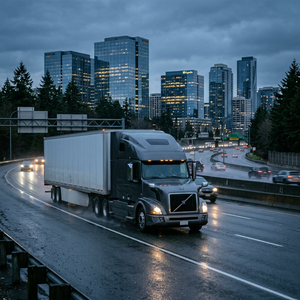
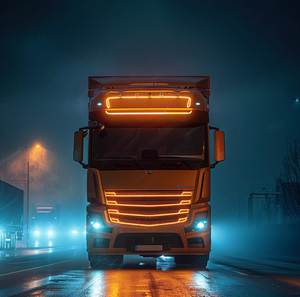
Commercial trucks and buses carry extra duties, and a trucking company may share responsibility if it sent a driver out without proper equipment or pushed a schedule in dangerous weather. See our truck accident guide.
If you were partly at fault, Washington reduces your recovery by your share rather than barring it, under RCW 4.22.005. Insurers often try to blame the weather or the injured driver, so careful evidence matters.
Road Conditions
Cities and counties have a duty to use ordinary care to keep roads reasonably safe for ordinary travel, and that duty is owed to all users of the road. See Keller v. City of Spokane, 146 Wn.2d 237 (2002). That does not make them responsible for every icy street, but a government agency may be liable where it knew about a dangerous condition and failed to act reasonably, such as a known ice spot left untreated or a broken drain that keeps flooding and freezing.
In Seattle, the city's snow plan focuses plows and salt on major arterial streets and bus routes. Residential side streets are generally not plowed.
Claims against a government have special rules. Before suing a city, county or other local agency, you must file a claim with the agency and wait 60 days, under RCW 4.96.020. Claims against the State, including state highways, go through the State's claim process under RCW 4.92.110. See our guide on road design and road defect claims.
Icy Sidewalks
In Seattle, residents and businesses are responsible for clearing snow and ice from the sidewalks next to their property, according to the Seattle Department of Transportation. The city asks people to clear sidewalks before snow turns to ice.
Stores, apartment buildings and other businesses also must keep their parking lots, entrances and walkways reasonably safe for customers and tenants. A property owner who leaves ice untreated for days may be responsible for a fall, while a sudden freeze minutes earlier may not be.
If you fall, photograph the ice, the area and your footwear, note the time and weather, and get the names of witnesses and the property manager. Learn more about slip and fall claims.
In the News
Self-Help Tool
Tap each box as you get ready. The safest choice in a storm is often to stay home if you can.
Self-Help Tool
Ice melts fast, and with it the evidence. Tap each box as you go.
Questions
Often yes. Washington law requires drivers to drive at a speed that is reasonable for the conditions, so a driver who loses control on ice may still be at fault for driving too fast or following too closely.
Washington reduces your recovery by your percentage of fault rather than barring it. You can still recover for the share that was someone else's fault.
Sometimes. Cities have a duty to keep roads reasonably safe, but they are not responsible for every icy street. A claim is more likely where the government knew about a dangerous spot and failed to act reasonably. A claim must be filed with the agency, and you must wait 60 days, before suing a city or county.
In Seattle, residents and businesses are responsible for clearing snow and ice from the sidewalks next to their property. Businesses and landlords also must keep their own walkways and lots reasonably safe.
From November 1 through March 31. Studded tires do not satisfy a posted chain requirement, so you still need chains in areas posted for chains.
Most injury lawsuits in Washington must be filed within three years under RCW 4.16.080, but claims against a government agency have extra steps that should be started much sooner.
The consultation is free and confidential, and you pay no attorney fee unless we recover compensation for you.
Oshan & Associates, P.C. represents injured people and families in Washington and New York. The consultation is free and confidential, and you pay no attorney fee unless we recover compensation for you.
Call (206) 206-6000Learn More
When a road itself contributes to a crash.
Claims after a crash on Washington roads.
Who must yield, and when.
How to request a Washington collision report.
This post was first published in February 2025 and rewritten in November 2026. It gives general information and is not legal advice. Laws, agency guidance and news reports were checked against official and published sources in November 2026.
Comments will be approved before showing up.
November 26, 2026
How long before you can work after a concussion, how to plan a gradual return, warning signs to watch for and what Washington workers should know about lost wages.
November 24, 2026
Hurt in a crane accident in Washington? Learn how load charts and rated capacity work, why rigging fails, crane operator certification rules, and how injured workers can recover beyond workers' compensation.
November 23, 2026
When concussion symptoms last for months, timing and proof matter. What post-concussive syndrome means for an injury claim in Washington, and why you should not settle too soon.
Seattle Practice Areas
Personal Injury
Car Accident
Semi Truck Accident
Bus Accident
Motorcycle Accident
Pedestrian Accident
Brain Injury
Spinal Cord Injury
Catastrophic Injury
Wrongful Death
Loss of Consortium
Childhood Sexual Abuse
Bicycle Accident
Police Excessive Force
911 Response Failure
Uber & Lyft Accident
Uninsured Motorist
Dog Bite
Drunk Driver Crash
Delivery Truck
Premises Liability
Burn Injury
Scooter & E-Bike
Light Rail & Train
Kent Practice Areas
Auburn Practice Areas
Bellevue Practice Areas
Renton Practice Areas
Federal Way Practice Areas
Kirkland Practice Areas
Redmond Practice Areas
Burien Practice Areas
SeaTac & Tukwila Practice Areas
Shoreline Practice Areas
Tacoma Practice Areas
The information provided on this website, including all blog posts, articles, and other content, is for informational purposes only and should not be construed as legal advice. No attorney-client relationship is formed by accessing or using this site or its contents.